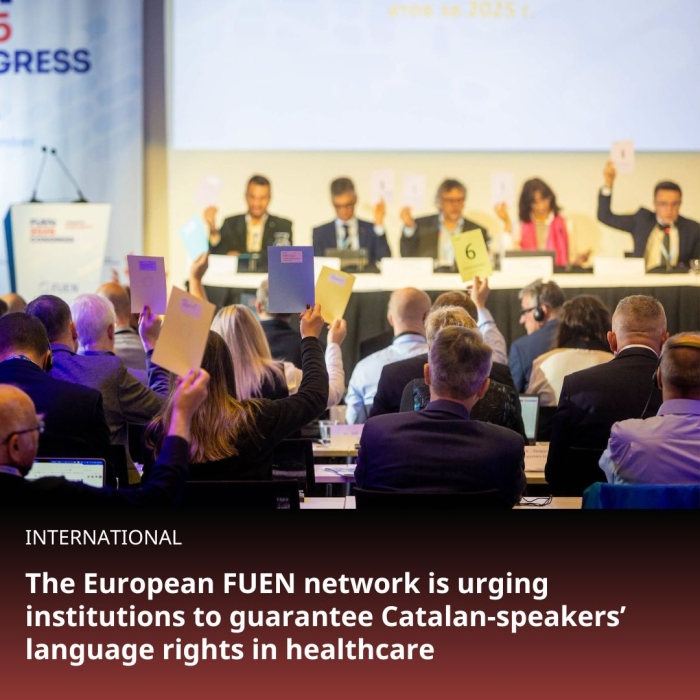


This Saturday, with 193 votes in favour, the Federal Union of European Nationalities (FUEN) unanimously approved a resolution presented by Plataforma per la Llengua for the Catalan and Valencian governments, the government of the Balearic Islands and for the Spanish government to legislate and apply measures to ensure respect for Catalan-speakers' language rights in medical care. The text was approved as part of FUEN's 70th Congress, held in Helsinki, which finished on Saturday afternoon and was attended by Plataforma per la Llengua, the only organisation from the Catalan-speaking territories that is a member of this international network.
Specifically, FUEN is urging the Government of Catalonia to strengthen Catalan education for professionals, to guarantee that health documentation is available in Catalan, to establish progressive language knowledge requirements for professionals, and to create effective complaints and language rights monitoring mechanisms. FUEN is also calling on the governments of the Valencian region and the Balearic Islands to approve health legislation to explicitly guarantee care can be given in Catalan, ensure sufficient availability of Catalan-speaking professionals, extend these guarantees to private health care, and establish effective mechanisms to monitor and correct infringements of language rights. As for the Spanish government, the European network is calling on it to value knowledge of Catalan as a plus when it comes to admission to specialist health training courses, to incorporate it into curriculums, and to make it possible for trainee doctors to do their medical residency examination in Catalan in the territories where it is an official language.
The text approved this weekend deplores the fact that, although Catalan is an official language in the Catalan-speaking territories, the legal framework governing language rights in the Spanish health system is insufficient and not effectively applied. That means a patient's right to attention in Catalan often depends on the language skill or goodwill of health professionals. This situation is in breach of the European Charter for Regional or Minority Languages (ECRML) and compromises the right to free, informed consent recognised by the Oviedo Convention, as clear communication in the patient's language is essential to guarantee safety, quality of care and equal treatment.
The 70th FUEN Congress offered attendees the chance to find out about the Swedish minority in Finland
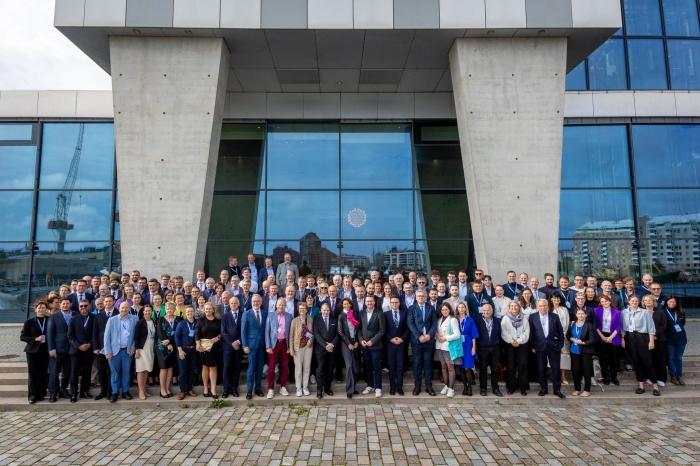
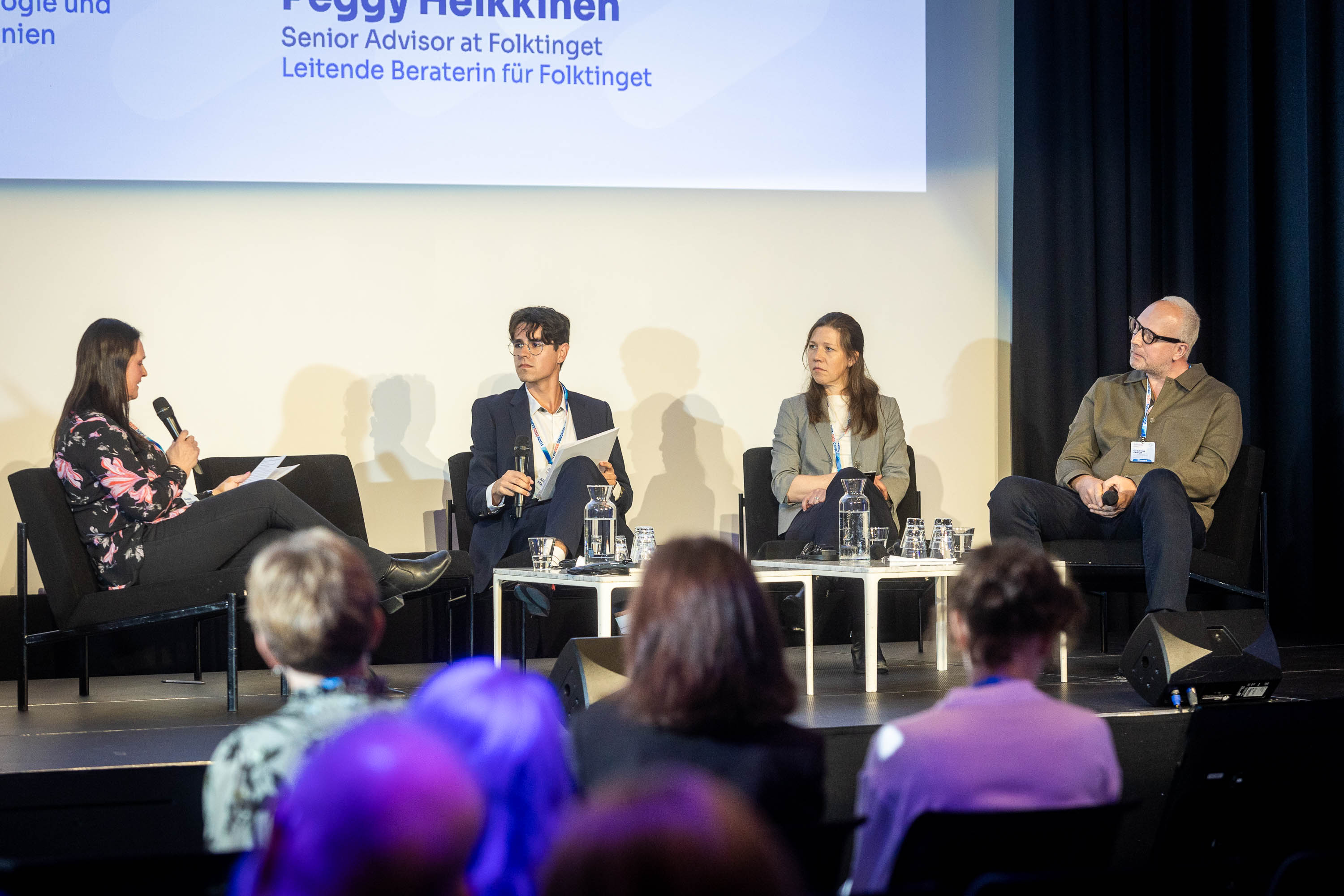
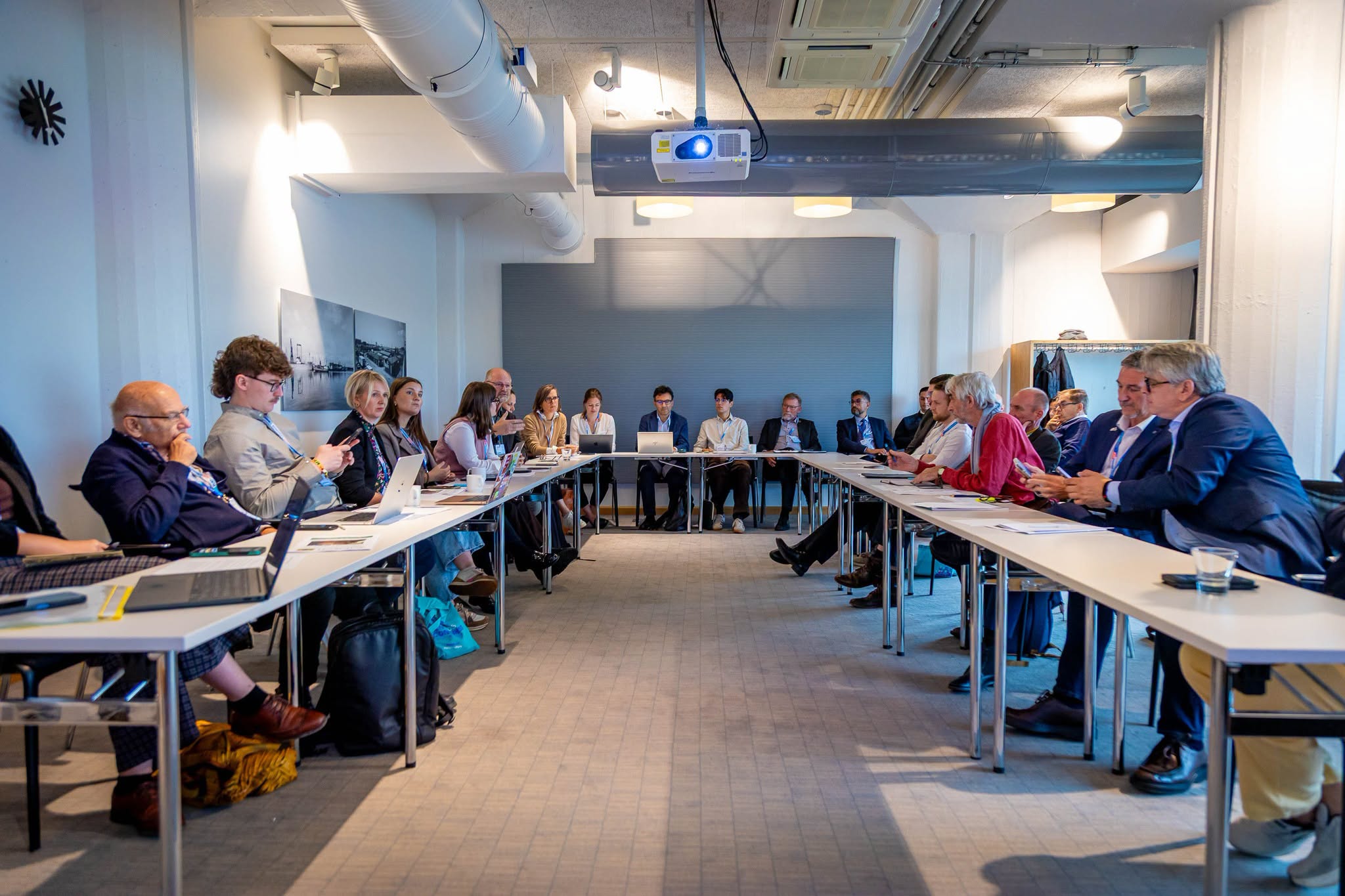
About 200 representatives of European national and language minorities attended the 70th FUEN Congress. Albert Massana, chief international affairs officer for Plataforma per la Llengua, represented the organisation, which has been a full member of the network for a couple of years. Those attending, from more than 30 different countries, were able to discover at first hand the situation of the Swedish minority in Finland thanks to the host institution, Folktinget, the consultative parliament for the Swedish-speaking minority. To discover the sociolinguistic situation, the representatives visited the Helsinki Rescue School, the Finnish Broadcasting Corporation (YLE), and the Espoo Comprehensive School.
Among the speakers were Daniel Sazonov, Mayor of Helsinki; Henrik Wickström, member and president of the Folktinget; Olivia Schubert, president of FUEN; Loránt Vincze, ex-president of FUEN, and Mikaela Nylander, secretary of state at the Finnish Ministry of Education.
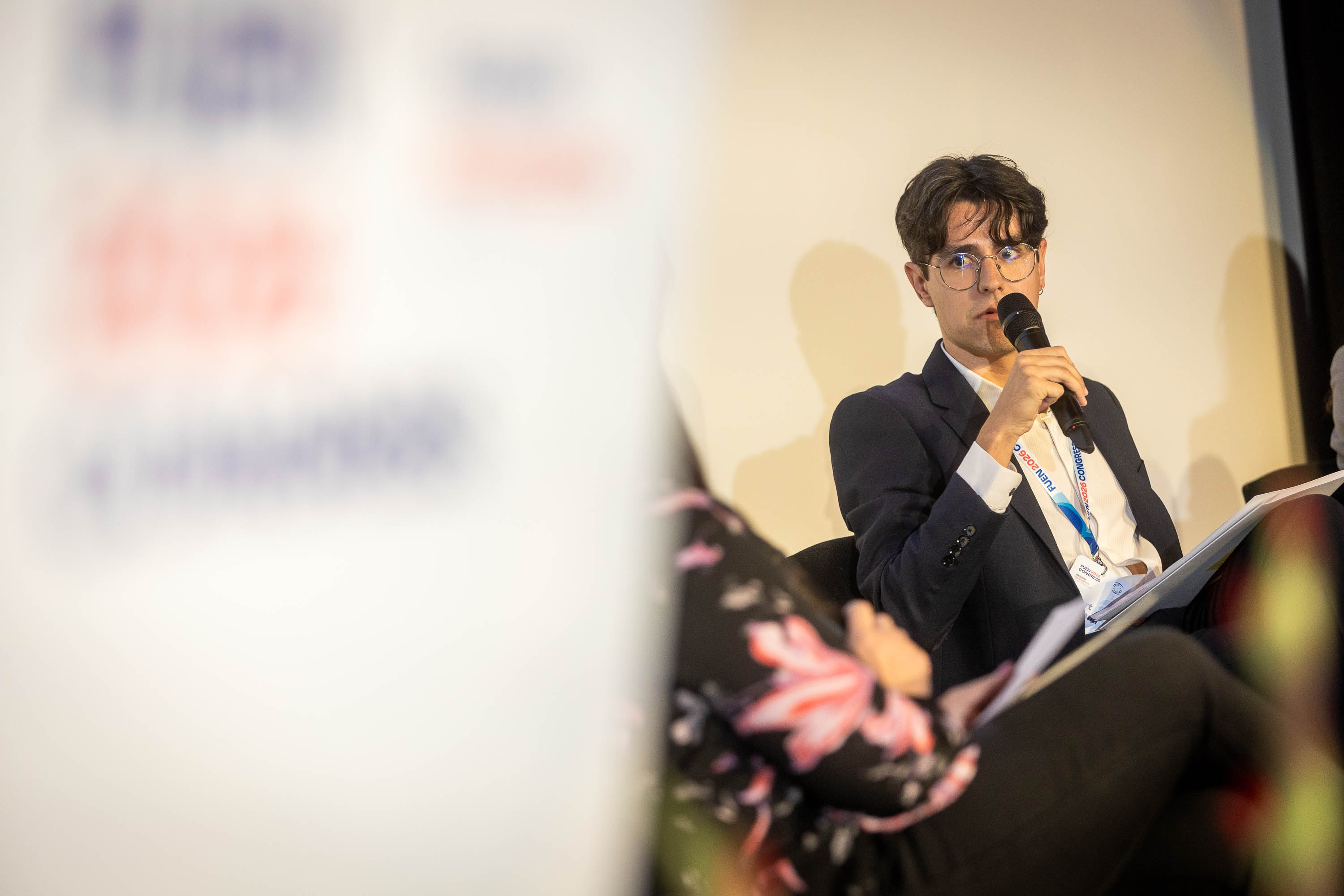
Albert Massana, chief international affairs officer for Plataforma per la Llengua